
Which Stringing Setup Is Right for You?
If you've ever wondered why your racket suddenly feels flat or unresponsive, even though the strings haven't broken, you're not alone.
The answer often lies in the balance between durability and performance—a crucial concept for any tennis player looking to improve their consistency and understanding of their equipment. At Unstrung Customs, we go beyond stringing rackets—we help you take control by teaching you how to string your own.
Durability vs Performance: What's the Difference?
Every player eventually faces the same dilemma:
Should you string for longevity, or string for feel and performance?
Durability-Focused Strings
Ideal for players who don't want to restring too often
Typically stiffer and less responsive
May be harsher on the arm
Less spin and feedback from the stringbed
Performance-Focused Strings
Provide more feel, spin, and comfort
Offer better feedback during rallies
Tend to lose tension faster
Require more frequent restringing
For most club players, the answer lies somewhere in the middle. As discussed in our recent conversation with Tennis Nerd, many players don’t restring often enough, and that alone can limit your game.
What Happens When Strings Go Dead?
Just because your strings haven’t broken doesn’t mean they’re still performing.
"When a string dies, it just becomes like rubber. It doesn’t help your game anymore."
Dead strings lose their tension, snapback, and ability to absorb vibration. This means reduced control, inconsistent power, and in some cases, increased risk of injury.
Why Learn to String Your Own Rackets?
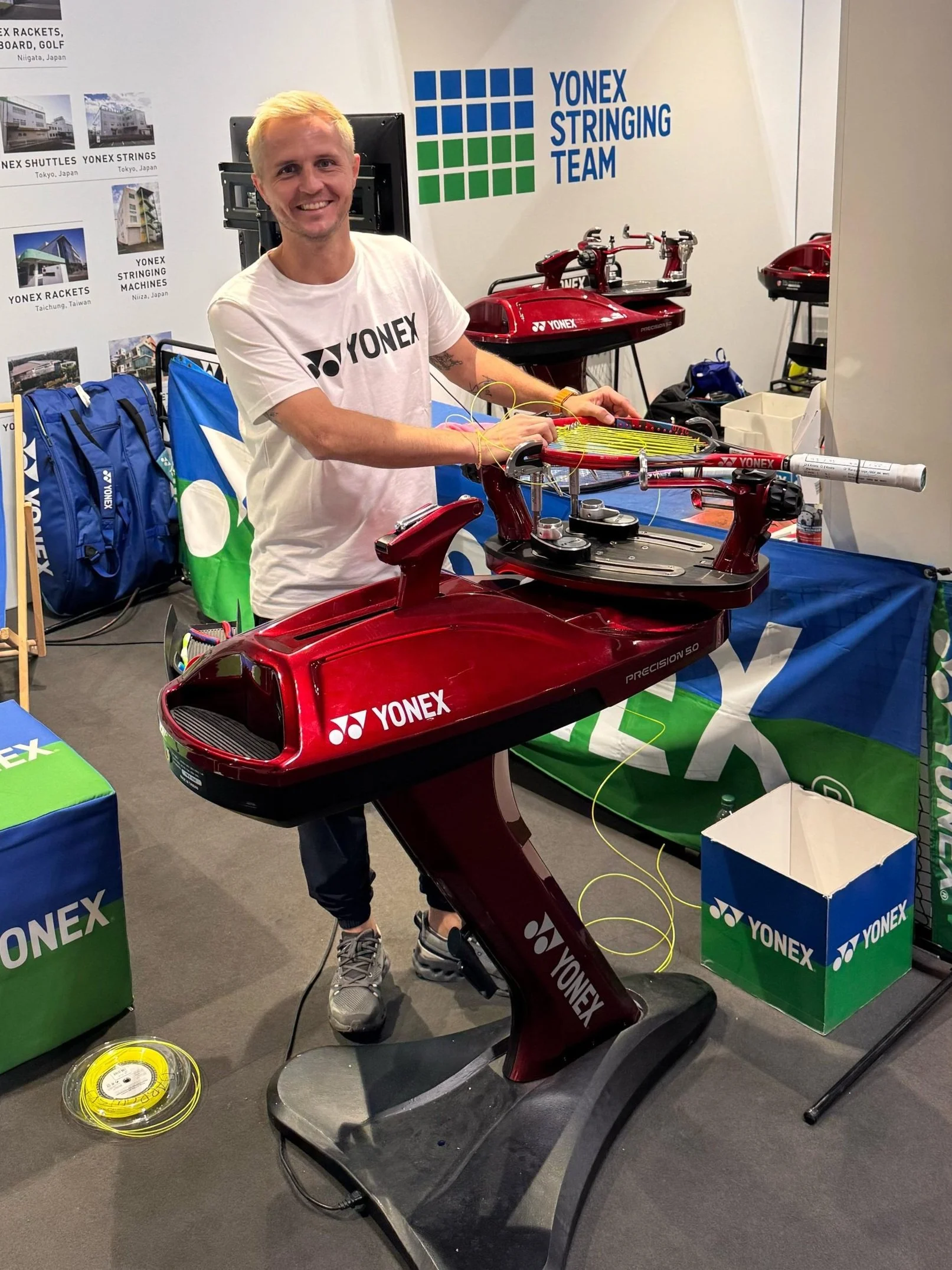
If you’re serious about improving your game, understanding your equipment is essential. Learning to string your own racket offers long-term benefits:
Adjust tension and gauge to suit your style
Save time and money on frequent restringing
Maintain consistent feel across matches
Understand when and why your strings stop performing
At Unstrung Customs, we offer intuitive stringing courses online tailored for players who want to gain confidence and skill at your own pace. Whether you're completely new to stringing or simply want to learn best practices, we guide you through every step.
What Our Stringing Courses Cover
Our training is led by professionals who work daily with recreational and competitive players. Our courses include:
Choosing the right string based on performance or durability
Understanding gauge and tension ranges
Step-by-step guidance on stringing techniques
How to identify dead strings and when to restring
Tools and tips for efficient, accurate stringing
We believe every tennis player should understand what their racket needs—and how to maintain it.
Take Control of Your Game
If you're relying on local shops or guesswork when it comes to stringing, it might be time to take the next step to learn how to string your own rackets and gain full control over your equipment.
Ready to Get Started?
Visit our Stringing Courses Page to start your journey towards better performance, consistency, and knowledge.